China Patio Table Manufacturing & Procurement Whitepaper (2025–2030)
The global outdoor furniture market has transitioned from basic seasonal residential goods into sophisticated architectural extensions of luxury living spaces and hospitality venues. As the premiere hub for outdoor table manufacturing, China’s industrial ecosystem combines advanced metallurgy, eco-conscious polymer engineering, and automated woodworking. Sourcing managers, commercial contract buyers, and wholesale distributors require deep insight into material selection, quality assurance protocols, and emerging design trends to secure high-margin, durable product lines.
1. Material Engineering Innovations in Patio Table Construction
Modern outdoor dining systems must withstand extreme ambient stressors: intense ultraviolet radiation, temperature oscillations, high humidity, salt-spray marine conditions, and heavy physical usage. To achieve lifetime durability, leading Chinese exporters utilize three primary engineering material vectors:
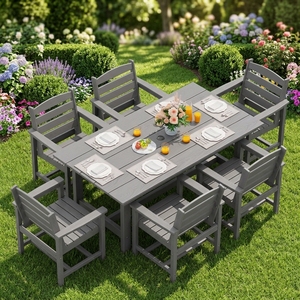
- Recycled HDPE Poly Lumber: Utilizing ultra-high molecular weight poly-lumber infused with light stabilizers and color pigments throughout the material matrix. Unlike standard PS (polystyrene) or PVC, HDPE poly-lumber does not splinter, crack, or dry-rot, maintaining physical integrity from -40°C to +80°C.
- Extruded T6 Structural Aluminum: Utilizing heavy-gauge 6063-T6 aluminum tubing with wall thicknesses ranging from 1.5mm to 3.0mm. Submerged multi-stage pre-treatments followed by AkzoNobel or Tiger Drylac fluorocarbon powder coatings guarantee zero flaking and maximum corrosion resistance.
- Sustainably Harvested Teak & Hardwoods: SVLK-certified plantation teak wood possesses high natural oil densities and silica content, making it resistant to rot and wood-boring insects. Precision steam kiln conditioning ensures dimensional stability under dry air-conditioned or heating environments.
Information Gain: Container Loading & Flat-Pack CBM Engineering
Freight cost optimization remains a pivotal metric for international B2B furniture importers. Premier manufacturers engineer patio tables with knock-down (KD) structural joinery. By incorporating hidden stainless steel 316 internal fasteners and precision tongue-and-groove alignments, table assemblies compress package volume by up to 65% compared to fully welded structures. A standardized 40HQ container can yield up to 420 complete 6-piece dining table sets when optimized for CBM efficiency.
2. Strategic Future Sourcing & Procurement Trends (2025–2030)
As global buyers adjust their procurement strategies, several macro trends are defining the China patio table export landscape:
A. ESG and Closed-Loop Circular Sourcing: Corporate buyers in Europe and North America now demand verifiable carbon footprint metrics. Sourcing partners in China are increasingly adopting 100% ocean-bound plastic recycling initiatives and closed-loop solar-powered factory operations to meet stringent Scope 3 emissions guidelines.
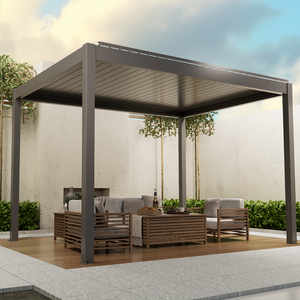
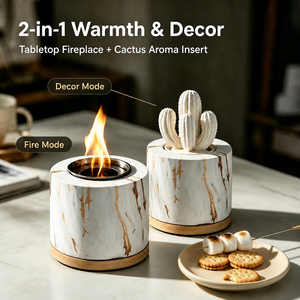
B. Integrated Bioclimatic & Multi-Functional Tables: Modern commercial terraces demand integrated utility. Patio tables are evolving from static surfaces into smart hubs featuring built-in ethanol or propane smokeless fire pits, invisible wireless Qi charging pads embedded beneath ceramic tops, and integrated LED perimeter accent lighting.
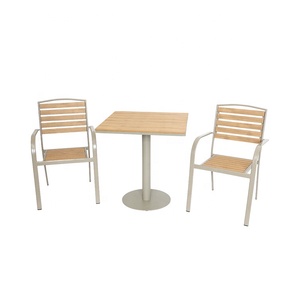
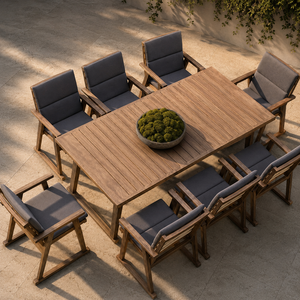
C. Hybrid Material Aesthetics (Japandi & Organic Modernism): Contract projects are favoring hybrid material combinations—pairing dark powder-coated aluminum chassis with warm teak slatted tops, or combining concrete composite plinths with woven rope-accented perimeter seating.
3. Essential Quality Assurance & Factory Auditing Checklist for Importers
To avoid costly warranty claims, product recalls, or transit damage, international buyers should audit supplier capabilities against the following standard operating procedures (SOPs):
- Kiln Calibration & EMC Tracking: Ensure the factory maintains computerized moisture tracking logs for every timber batch, verifying an EMC between 8% and 12% prior to milling.
- Salt Spray Chamber Validation: Request third-party SGS or TÜV test reports verifying that metal finishes endure a minimum of 1,500 to 3,000 hours under ASTM B117 salt fog exposure without blistering.
- Drop & Impact Loading Tests: Verify compliance with EN 581-1 / EN 581-2 standards for European commercial outdoor furniture, ensuring table surfaces support static downward loads exceeding 200 kg without flexure failure.
- Carton Drop Test Standards: Confirm packaging adheres to ISTA 3A or 6-AMAZON.COM protocols, incorporating 5-ply corrugated outer boxes, corner guards, and high-density EPE foam wrapping.