1. How do you prevent Indonesian teak furniture from checking, warping, or cracking in dry winter climates?
Wood movement is caused by moisture exchange between the wood cells and the ambient relative humidity. To prevent warping and cracking in dry Northern Hemisphere winters (such as in North America, Northern Europe, or East Asia), timber must be seasoned and kiln-dried before cutting. At MPP Furniture, our raw teak boards undergo a multi-week computerised kiln drying process down to an exact 8–12% moisture content (MC) equilibrium. By stabilizing internal cell stress before joinery machining, our teak furniture maintains dimensional integrity regardless of destination climate shifts.
2. What is SVLK certification, and how does it safeguard my import shipment under EUTR, EUDR, and US Lacey Act?
SVLK (*Sistem Verifikasi Kelestarian Kayu*) is Indonesia’s mandatory national Timber Legality Assurance System. It guarantees that every log used in our factory originates from legal, sustainably managed plantations audited by independent certification bodies. Each shipment we export is issued an official V-Legal Document linked directly to the container invoice. This document provides total supply-chain traceability, serving as recognized due diligence proof for compliance with the European Union Timber Regulation (EUTR), upcoming EUDR standards, the UK Timber Regulation (UKTR), and the United States Lacey Act.
3. What are your Minimum Order Quantities (MOQ) for custom OEM/ODM teak furniture programs?
For standard items from our existing catalogue, our typical MOQ starts at 20–30 pieces per model. For fully custom OEM/ODM designs or private-label retail collections, we plan production based on a minimum mixed 1 x 20ft or 40ft High Cube container load. Buyers developing a new seasonal range usually select 4 to 8 complementary models (e.g., dining tables, stacking chairs, and lounge chairs) to optimize container volume and minimize landed freight cost per unit.
4. What is the difference between Grade A, Grade B, and Grade C Indonesian teak, and which should I order?
Grade A teak is taken strictly from the heartwood core of mature trees (30+ years old). It is rich in natural tectoquinone oils, features an even golden honey color, has zero sapwood, and offers maximum outdoor durability—ideal for luxury retail and marine use. Grade B teak comes from the outer heartwood, showing slight natural color variations with minimal sapwood (<5%), offering excellent performance at a more accessible commercial price point. Grade C teak is soft sapwood from younger logs, requiring surface treatments and stains; it is suitable for lower-tier indoor items but is not recommended for untreated outdoor exposure.
5. How does MPP Furniture handle custom prototype development from buyer CAD drawings or reference images?
Our engineering team includes dedicated 3D CAD draftspersons and master prototype carpenters. When you provide a sketch, 3D file, or reference concept photo, we perform a structural feasibility analysis and generate technical shop drawings within 3–5 business days. Once drawings are approved, we craft a physical prototype sample in our Cirebon facility. Prototype development costs are fully credited back to your account upon placement of the main production container order.
6. What finishing options are available for outdoor vs indoor teak furniture?
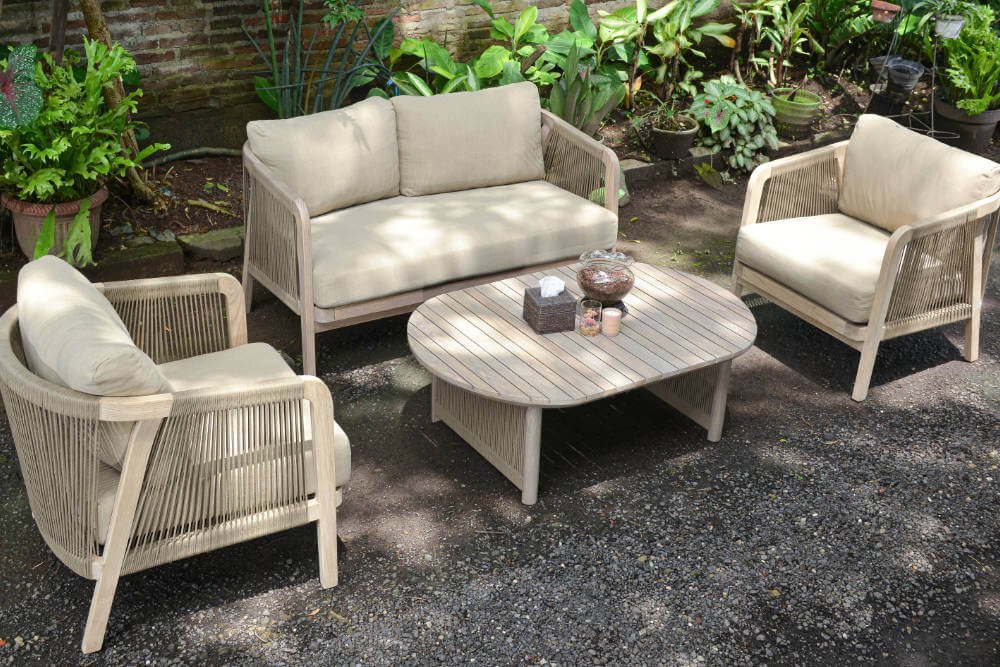
For outdoor applications, we offer Natural Fine-Sanded (Unfinished) teak, which naturally weathers over time into a silver-grey patina, as well as Teak Sealer / Protective Teak Oil, Grey Wash, and Antique Weathered finishes using eco-friendly water-based topcoats. For indoor teak collections, we provide matte, satin, or gloss polyurethanes, nitrocellulose (NC) lacquers, reactive wood stains, and dark smoked walnut tones that highlight natural grain patterns.
7. How are export containers packed to prevent "container rain" and transit damage during 30–45 day ocean voyages?
Ocean transit exposes cargo to extreme temperature shifts and condensation ("container rain"). We protect your inventory by wrapping every piece in multi-layer corrugated foam wrap, heavy-duty edge corner guards, and sealed plastic moisture barriers. Inside the container, we place high-absorption industrial desiccant bags and secure items using heavy ratchet straps to prevent shift damage during heavy seas. All wooden crates and pallets strictly comply with ISPM-15 heat-treatment standards.
8. Can we combine teak furniture with rattan, sungkai, mahogany, or metal items in a single container?
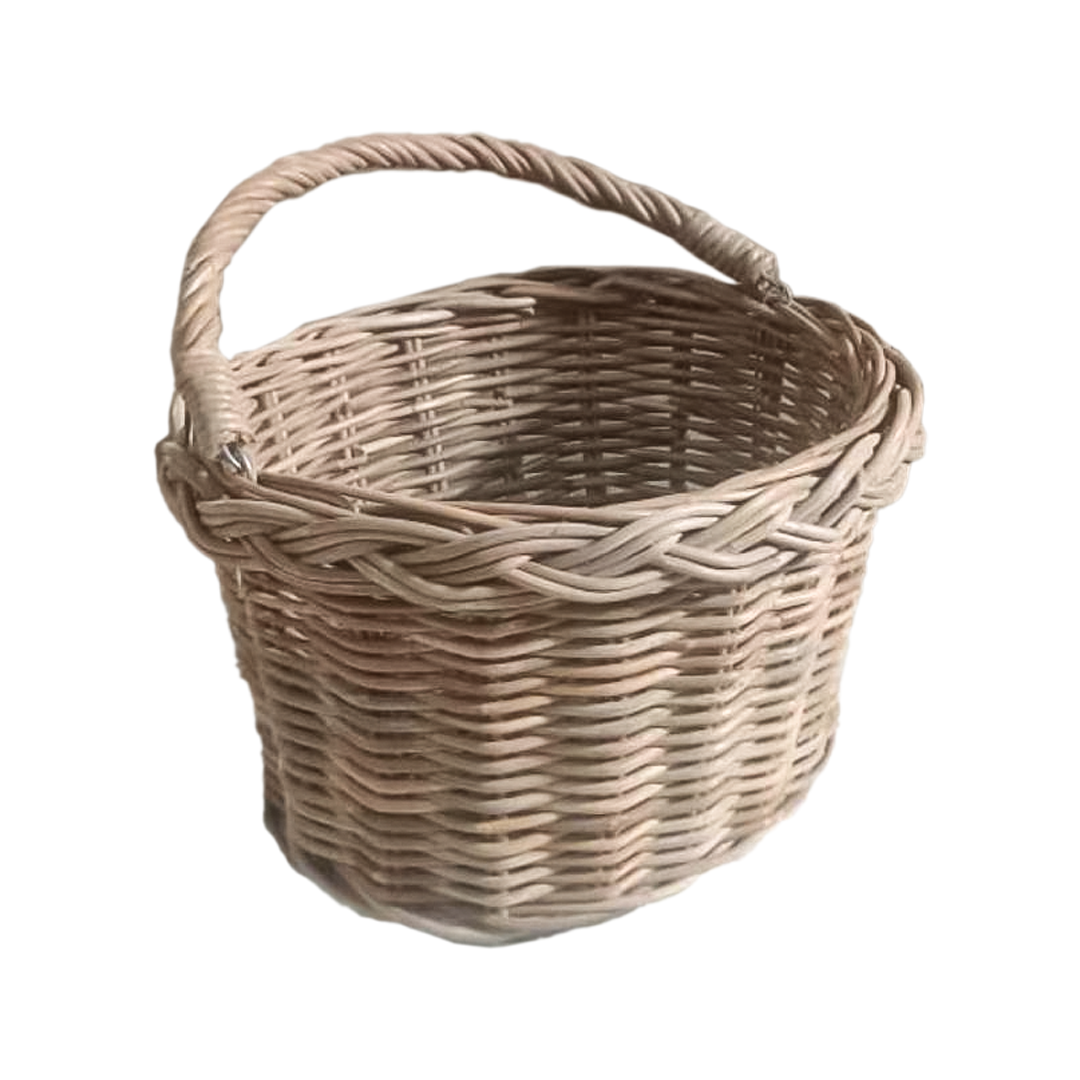
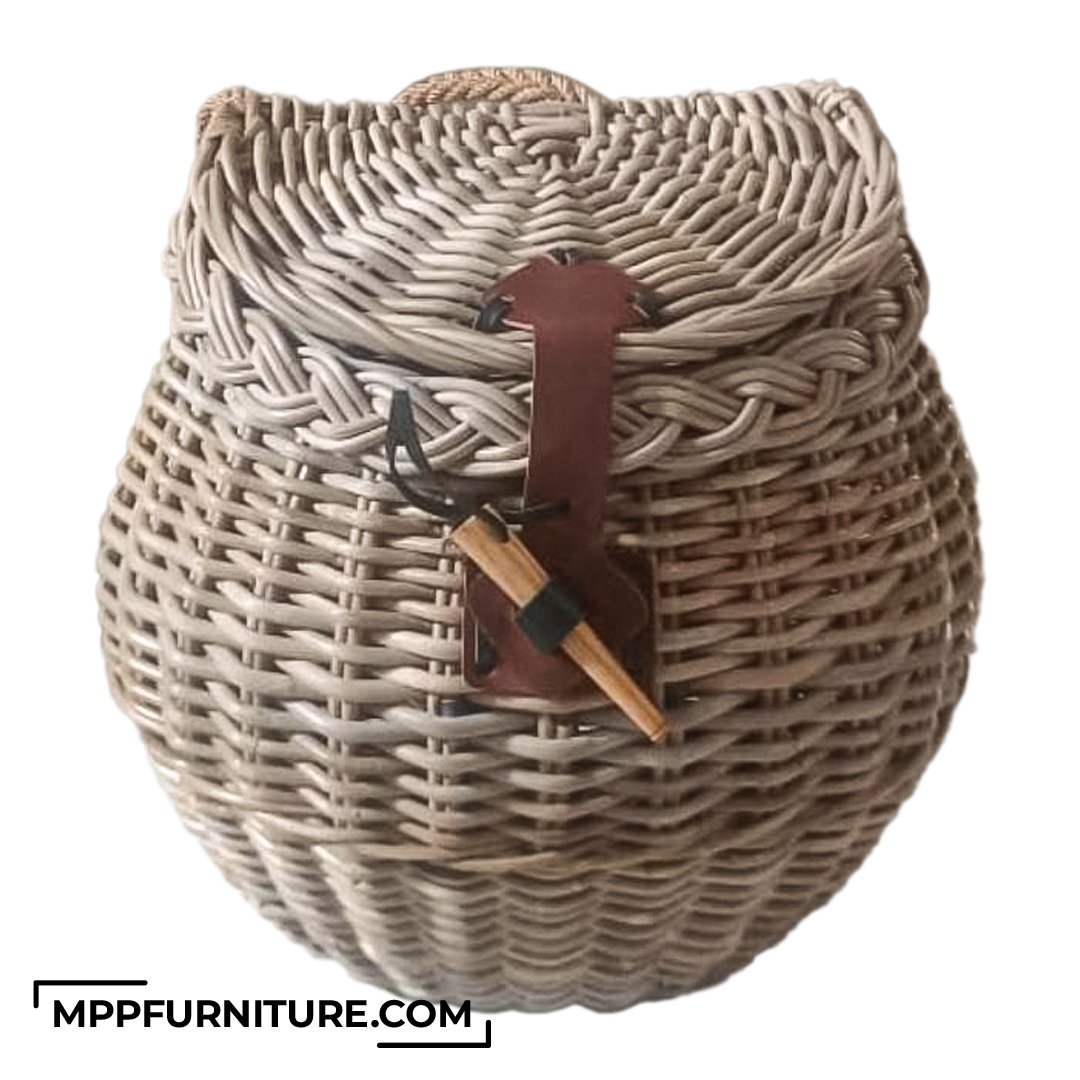
Yes, absolutely. One of the greatest operational advantages of partnering with CV. Mulya Pratama Putra is our consolidated multi-material manufacturing capability. You can mix solid teak outdoor dining sets, handwoven rattan living room chairs, sungkai wood bedroom frames, and metal accent tables inside a single container shipment, keeping inventory diverse while minimizing freight overhead.
9. What is the standard lead time from deposit payment to container loading?
Our standard production cycle is 45 to 60 days after receipt of deposit and final approval of golden samples. For initial custom OEM orders requiring specialized tooling or custom hardware casting, lead times may extend to 70 days. Because we operate our own computerised kiln drying chambers on-site, moisture stabilization is integrated into the scheduled lead time without external delays.
10. How does your factory facilitate third-party quality control inspections (e.g., SGS, TÜV, Intertek, V-Trust)?
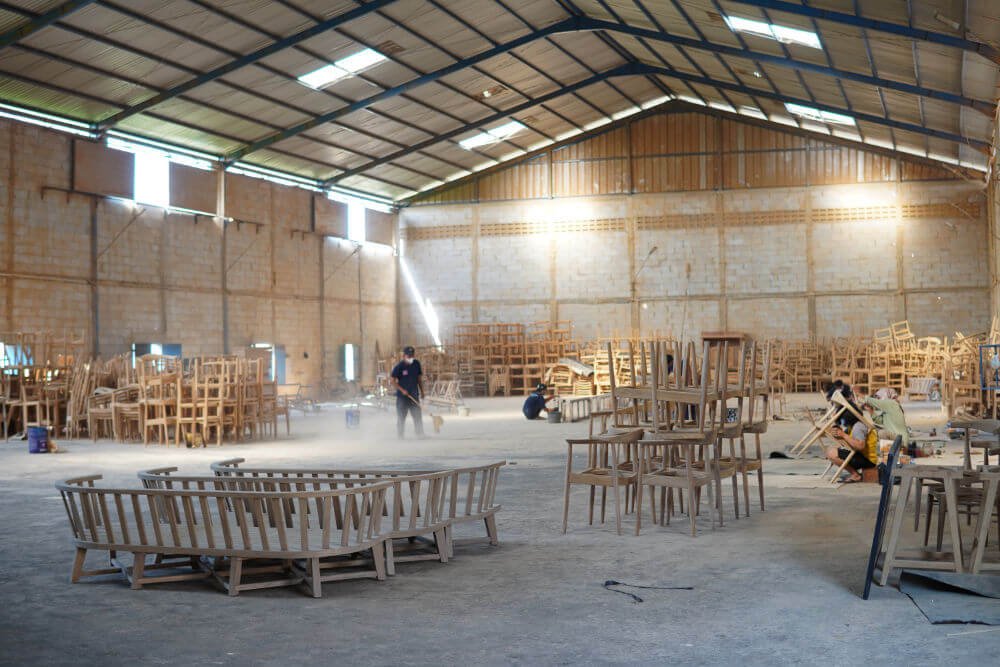
We welcome full transparency and host third-party inspection teams routinely. Inspectors are granted complete access to our Cirebon facility to check moisture content levels using calibrated digital pin meters, verify assembly tolerances, conduct carton drop tests (ISTA standards), evaluate finishing consistency, and audit container loading. If you cannot send a third-party inspector, our QC team provides comprehensive photo and video reporting at each gate prior to shipping.