Featured Commercial Outdoor Wicker & Wood Seating
Engineered for luxury resorts, commercial parks, patio wholesalers, and contract hospitality projects worldwide.
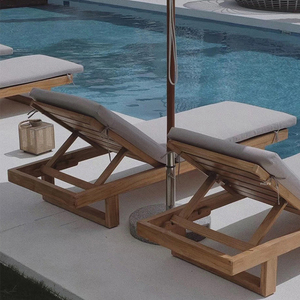
Hotel Resort Furniture Oak Garden Bed Outdoor Swimming Pool Teak Sun Lounger Bench
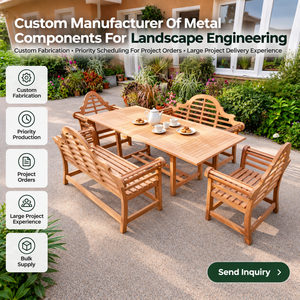
Outdoor Solid Teak Bench with Armrests Durable Water Resistant Modern Patio Bench
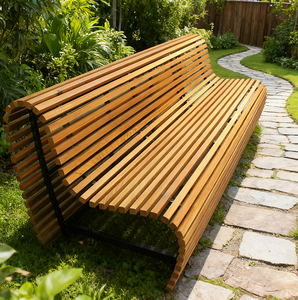
Luxury Outdoor Garden Commercial Patio Park Bench Wooden Chair
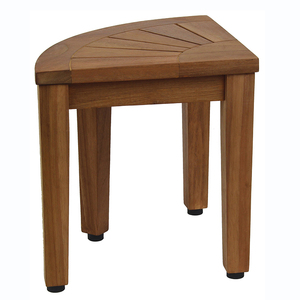
Dark Teak Japanese Style Small Stool Bamboo Bath Bench Corner Seat for Shower
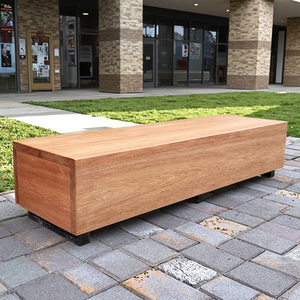
Customized Design Outdoor Patio Solid Wood Teak Bench with Metal Frame
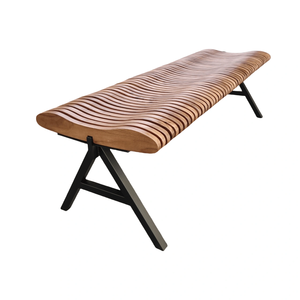
Backless Teak Wood Garden Outdoor Commercial Furniture Bench
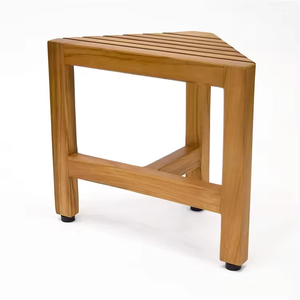
Premium Acacia Wood Waterproof Shower Corner Stool Solid Teak Bench
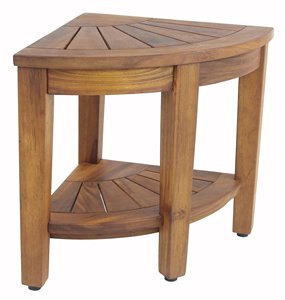
Acacia & Teak Corner Shower Storage Bench with Multi-Tier Shelf
Executive Summary: Elevating Global Wicker & Outdoor Furniture Sourcing
In the highly competitive commercial furniture sector, navigating the vendor landscape for outdoor wicker chairs, teak garden benches, and hybrid patio seating requires deep technical insight into material science, frame structural integrity, and supply chain transparency. Modern enterprise buyers—ranging from international resort developers and contract procurement agencies to retail chain brand owners—demand more than aesthetic design. They require rigorous environmental compliance (SVLK, EUDR, Lacey Act), predictable kiln-drying moisture control (8–12% EMC), and factory-direct OEM/ODM customization capabilities.
As a verified premier manufacturer operating an extensive 16,000 m² integrated production ecosystem equipped with over 200 master craftsmen and automated finishing lines, our operation bridges traditional artisan craftsmanship with industrial precision. This whitepaper serves as an authoritative procurement guide to evaluating top wicker chair manufacturers, analyzing macro industry shifts, and optimizing global container shipments.
1. Industry Development Trends: The Evolution of Commercial Wicker & Patio Seating
The global outdoor furniture market is undergoing a structural transformation driven by material innovation, harsh climate resilience requirements, and changing hospitality guest expectations. Strategic buyers must align their procurement criteria with four pivotal development vectors:
High-Density Synthetic Resin (HDPE) Innovations
Traditional natural rattan, while historically revered, suffers from moisture vulnerability and UV degradation in high-humidity or marine outdoor environments. Modern commercial procurement has transitioned almost exclusively to virgin High-Density Polyethylene (HDPE) synthetic wicker. Engineered with built-in UV stabilizers and color-fast pigments, high-grade PE resin withstands temperatures ranging from -30°C to +65°C without cracking, peeling, or fading, making it ideal for 24/7 resort use.
Hybrid Material Synthesis (Teak + PE Wicker + Metal)
Contract interior designers and architects are increasingly requesting hybrid material palettes. Combining structural plantation teak wood arms or base legs with hand-woven synthetic PE wicker and powder-coated architectural aluminum frames delivers a sophisticated tactile warmth alongside industrial structural stability. These hybrid collections offer high aesthetic differentiation for luxury hotel terraces and high-end residential private label catalogues.
Quick-Dry Foam & Performance Outdoor Textiles
Wicker seating systems are no longer isolated components. Integrated cushion systems using reticulated open-cell quick-dry foam (which allows rainwater to pass straight through without absorption) combined with solution-dyed acrylic fabrics (such as Sunbrella or olefin textiles) have become standard baseline criteria for luxury outdoor resort specification.
2. Future Procurement Trends: Strategic Sourcing for Global Buyers
Navigating post-globalization supply chains requires enterprise buyers to balance landed unit costs against regulatory risk and product turnaround speeds. Industry data indicates several critical shifts shaping procurement strategies through 2026 and beyond:
- Strict Timber Legality & Deforestation Compliance (EUDR & Lacey Act): Regulatory authorities in European and North American markets are enforcing unprecedented trace-back mandates. B2B buyers must partner exclusively with manufacturers possessing verified SVLK (Sistem Verifikasi Legalitas Kayu) certification and V-Legal documentation to ensure zero exposure to illicit timber supply chains.
- CBM & Freight Density Optimization: Container shipping tariffs mandate highly engineered packaging design. Modern manufacturers utilize knock-down (KD) metal frame joinery, stackable wicker shell geometry, and computerized CBM pre-calculation to maximize pieces-per-40HQ container, lowering landed shipping costs by up to 22%.
- Direct Factory OEM/ODM Reverse Engineering: Retail buyers are shifting away from off-the-shelf distributor catalogues. Leading sourcing heads submit 3D CAD renders, photo references, or rival target samples to direct manufacturers capable of providing Bill of Materials (BOM) optimization, structural strength testing, and custom private-label hangtags under one roof.
- ESG & Circular Supply Chain Credentials: Corporate sustainability requirements now mandate non-toxic powder coatings, zero-VOC water-based sealers, and recyclable synthetic polymers. Sourcing directors favor manufacturing partners who harvest timber from sustainable government-monitored plantations (Perum Perhutani).
3. Enterprise Competencies: Why Top Buyers Partner with Our Factory Ecosystem
Our manufacturing footprint, operating under legal entity status with comprehensive export accreditation, represents the pinnacle of dedicated outdoor furniture production. By integrating every phase of raw timber processing, metal fabrications, hand weaving, and quality assurance in-house, we eliminate intermediate trading markups and guarantee batch-to-batch consistency.
16,000 m² Integrated Manufacturing Hub
Unlike trading companies that outsource production to unverified third-party workshops, our central factory spans 16,000 m² of specialized work zones: sawmill raw log processing, computer-controlled drying kilns, CNC woodworking, anti-corrosion metal welding, hand-weaving halls, and dust-free finishing spray booths.
Master Kiln-Drying (8% - 12% EMC)
Timber structural integrity depends entirely on moisture control. Our automated steam drying kilns reduce wood moisture content to a precise 8%–12% range. This prevents warpage, surface checking, and joint separation when furniture is exported to arid or freeze-thaw climates in North America and Northern Europe.
200+ Master Artisan Weavers & Joiners
Synthetic wicker weaving requires tension control that automated machinery cannot replicate. Our 200+ master weavers apply uniform hand-tensioning across aluminum and hardwood sub-frames, ensuring no weave sagging over years of commercial traffic.
5-Stage Quality Assurance Protocol
Every production run undergoes 5 strict checkpoints: 1) Raw timber moisture logging, 2) Joinery shear strength check, 3) Pre-finish hand sanding verification, 4) Drop-impact load testing (BIFMA standard), and 5) Drop-test export carton packaging inspections before container sealing.
4. Comprehensive B2B Sourcing FAQ
Technical answers to critical procurement questions asked by commercial buyers, importers, and contract specs team.
How can buyers verify whether a supplier is an actual direct manufacturer or a trading desk?
A genuine direct manufacturer owns physical land assets, heavy industrial equipment (such as automated drying kilns, multi-axis CNC routers, and powder coating lines), and maintains a directly employed workforce. Trading desks typically present glossed marketing photos but refuse live video walkthroughs of active manufacturing lines or site audits. We welcome third-party factory audits (SGS, BV, TUV) and provide live video verification of your specific order lot progressing through raw timber intake, weaving, finishing, and container loading.
What synthetic wicker materials are recommended for heavy commercial hospitality use?
For contract commercial applications (resorts, cruise ships, outdoor restaurants), virgin High-Density Polyethylene (HDPE) resin is universally recommended over cheap PVC or recycled Polypropylene (PP). Virgin HDPE features integrated UV-inhibitors (tested for 3,000+ hours under QUV accelerated weather testing), superior tensile strength, non-toxic eco-profiles, and high resistance to chlorine and salt spray environment degradation.
How does your factory prevent wood cracking and joint failure in teak and wood wicker frames?
Wood failure in destination countries is almost exclusively caused by improper initial moisture content (MC). We kiln-dry all solid teak, mahogany, sungkai, and mindi timber down to a precise 8%–12% moisture range inside automated computer kilns. Furthermore, we use traditional mortise-and-tenon structural joinery reinforced with marine-grade 304 stainless steel hardware and waterproof polyurethane adhesives (D4 standard).
What timber species do you work with for outdoor and indoor hybrid collections?
We specialize in four core timber species tailored to buyer budgets and project environments: Grade-A Plantation Teak (highest natural oil content, unmatched weather resistance for luxury outdoor sets), Mahogany (fine tight grain ideal for rich stained indoor/covered outdoor lines), Sungkai Wood (striking light-toned grain pattern popular for Scandinavian/Japandi interior aesthetics), and Mindi Wood (stable, economical hardwood ideal for painted or wire-brushed rustic finishes).
What are the compliance details regarding SVLK, EUDR, and US imports?
All timber processed in our factory is 100% legal, traceable, and harvested under Indonesia’s government-regulated SVLK certification system. We issue official V-Legal documentation for every export shipment, ensuring full compliance with EUDR (EU Deforestation Regulation) due diligence requirements and the United States Lacey Act. For upholstered furniture items shipped to North America, we provide full Law Label registration compliance.
What is your monthly export capacity and average sample development lead time?
Our active facility capacity supports up to 30 × 40HQ high-cube shipping containers per month across our wicker, teak, and craft divisions. Standard sample turnaround for custom OEM/ODM designs is 14 to 21 days following CAD drawing and material specifications sign-off. Bulk order production lead times typically range from 60 to 75 days depending on weave complexity and textile customization.
Do you support full OEM, ODM, and private label packaging specifications?
Yes. We regularly build directly from buyer architectural drawings (OEM), re-engineer customer mood boards into manufacturing-ready lines (ODM), and deliver turn-key private label programs. Private label services include custom barcode labeling, branded hangtags, drop-test approved 5-ply mail-order cartons, and multi-lingual assembly instruction manuals. Client-exclusive designs are strictly protected under non-disclosure agreements (NDAs) and never resold.
Partner with a Proven Wicker & Teak Furniture Manufacturer
Whether you are developing a new outdoor patio furniture line, sourcing contract seating for a luxury resort project, or seeking to optimize container freight costs—our engineering team is ready to assist.