Featured Commercial Bed Frame Collections
Heavy-duty structural metal, solid hardwood slat systems, knock-down (KD) platform designs, and dormitory/hotel institutional solutions engineered for high CBM optimization.
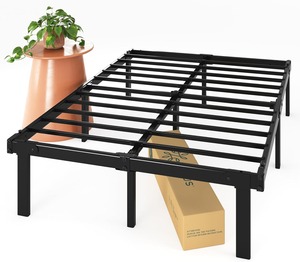
2024 Single Metal Bed Frame Noiseless and Easy-to-Assemble Shockproof With Adjustable Feature for King Queen Double Sizes
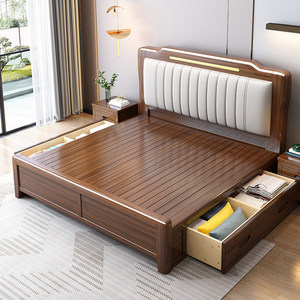
Luxurious Solid Wood White Large Bed Frame with Mattress, Hot-selling Double Bed with Storage, Bedroom Furniture
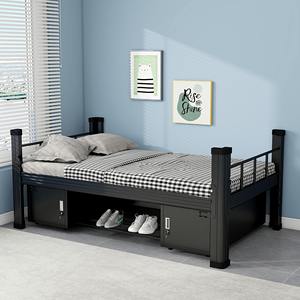
Steel Dormitory Bed Frame Traditional Design Metal Single Bed for School Hospital Hotel Use
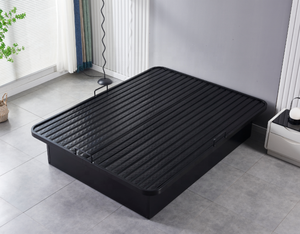
Latest Design Platform Bed Frame Metal Bed Twin Double Queen Size Hostel Bed Base Black Iron Modern Hotel Furniture Heavy Duty
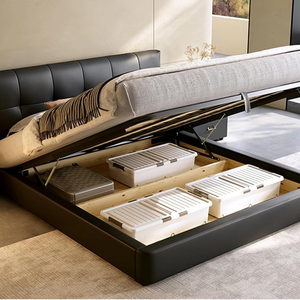
COSTFULL Black Platform Bed Frame with Strong Wooden Slat Support Imported No Box Spring Required Easy Assembly
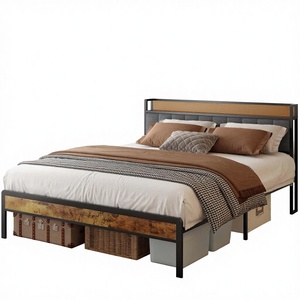
Commercial Heavy-Duty Knock-Down Steel Platform Bed Frame
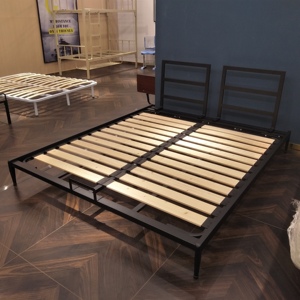
Hot Sale Solid Wood Slat Bed Frame Metal With Head Board
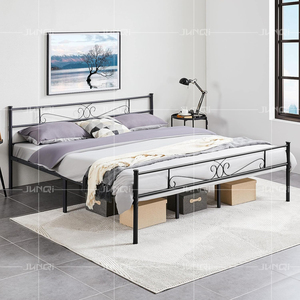
Bedroom Furniture Good Quality New Design Single Metal Bed Frame Platform Bed
1. Global Executive Summary & China's Bed Frame Manufacturing Hegemony
In the contemporary B2B furniture trade, securing a robust, agile, and cost-efficient supply chain for bed frames is a strategic imperative for mass-market retailers, e-commerce brands (Amazon, Wayfair, Overstock), hotel procurement groups, and commercial housing project contractors. As global freight dynamics fluctuate and consumer demands lean toward tool-free assembly, zero-noise stability, and compact flat-packing, China remains the epicenter of high-volume bed frame export and manufacturing innovation.
China's industrial dominance in bed frame export is rooted in complete vertical integration—from raw Q235 structural steel tube rolling mills and cold-rolled coil processing to automated robotic MIG welding, electrostatic epoxy powder-coating lines, and sustainable timber slat processing. Importers leverage this mature ecosystem to achieve unmatched economies of scale, rigorous engineering tolerances, and rapid prototype-to-production cycles that traditional manufacturing hubs cannot replicate.
Procurement Intelligence & Information Gain Insight
A primary failure point in wholesale bed frame sourcing is misjudging structural steel wall thickness (gauge variance) and raw timber moisture content (MC). Standardizing on cold-rolled steel with a minimum wall thickness of 1.2mm to 1.5mm alongside kiln-dried timber slats controlled strictly at 8%–12% MC prevents post-shipment structural sagging, joint shear, and tropical-to-temperate climate warping.
Furthermore, the shift toward direct-to-consumer (D2C) drop-shipping model requires bed frames to be designed around strict CBM (Cubic Meter) minimization algorithms. By replacing pre-welded rigid structures with engineered Knock-Down (KD) hardware mechanisms, Chinese OEM exporters enable global buyers to fit up to 1,200 units of Queen-size platform beds into a single 40HQ container, dramatically lowering landed unit costs.
2. Enterprise Infrastructure, Technical Mastery & OEM/ODM Capabilities
Operating from a state-of-the-art 16,000 square meter specialized manufacturing facility equipped with high-precision CNC laser cutting units, multi-axis hydraulic stamping presses, and continuous automated powder coating lines, our production infrastructure sets the standard for high-volume bed frame production. We eliminate quality variances through end-to-end in-house production management.
In-House Kiln Drying & Woodworking
Equipped with computerized steam drying kilns, we process plantation-grown teak, mahogany, sungkai, mindi, and solid birch slats. We guarantee internal moisture stability between 8% and 12%, preventing cracking, mold, and dimensional drift across North American and European heating seasons.
Automated Metal Fabrication & Welding
Our metal shop utilizes robotic MIG/TIG welding cells and high-speed CNC tube-bending machines to process high-tensile carbon steel. Joints are stress-tested to handle static load capacities up to 1,500 lbs (680 kg) without deflection.
Drop-Test Packaging Engineering
All packaging designs undergo rigorous ISTA 3A and ISTA 6-AMAZON drop-testing protocols. We incorporate high-density corner guards, honeycomb cardboard reinforcement, and vacuum-sealed hardware blister packs to eliminate transit damage.
Strict Quality Control & Regulatory Compliance Framework
Navigating global compliance standardizations is critical for commercial importers. Our factory operates under audited ISO 9001 and BSCI quality management systems. Raw wood supplies comply with SVLK timber legality verification systems, V-Legal documentation, FSC certifications, and EUDR (EU Deforestation Regulation) due-diligence protocols. Upholstered and wooden components meet CARB Phase 2 and TSCA Title VI emissions requirements for formaldehyde, while all metal coatings pass 168-hour continuous neutral salt spray anti-corrosion testing.
3. Industry Development & Bed Frame Design Evolution
The global bed frame industry has evolved from crude angle-iron supports into sophisticated, ergonomically engineered lifestyle furniture. Buyer preferences across North America, Western Europe, and Australasia are rapidly shifting toward multi-functional, minimalist, and acoustically insulated bed foundations.
A. Tool-Free Quick Assembly (Quick-Lock) Architectures
Assembly friction is the leading driver of consumer returns in e-commerce furniture retail. Modern wholesale production prioritizes snap-lock channels, pre-assembled folding side rails, and push-pin friction joints. By reducing bolt counts by over 70%, end-users can assemble a full Queen or King platform frame in under 10 minutes without secondary tools.
B. Acoustic Isolation & Anti-Squeak Technologies
Friction between metal-on-metal or metal-on-wood joints causes squeaking, leading to high consumer dissatisfaction. Engineering innovations include high-density EVA foam mute strips integrated along center support beams, rubberized slat sockets, and self-lubricating nylon washer gaskets at all pivot bolts.
C. Material Hybrids & Aesthetic Modularization
Purely utilitarian steel frames are increasingly replaced by hybrid material designs. High-strength carbon steel structural grids are paired with warmth-inducing timber headboards (teak, sungkai, walnut finish) or tailored upholstered side rails utilizing stain-resistant performance fabrics (linen blends, bouclé, microfiber). Modular designs allow retailers to interchange headboards and leg heights while keeping a single SKUs main chassis consistent.
| Specification Category | Standard Retail Metal Frame | Heavy-Duty Commercial OEM Frame | Premium Hybrid Platform Base |
|---|---|---|---|
| Steel Tube Gauge | 0.8mm - 1.0mm Q195 Steel | 1.2mm - 1.5mm Q235 Carbon Steel | 1.5mm Reinforced + Solid Wood Frame |
| Static Load Rating | 350 lbs - 500 lbs | 1,000 lbs - 1,500 lbs (680 kg) | 1,200 lbs - 1,800 lbs |
| Acoustic Dampening | None / Plastic End Caps | Continuous EVA Foam Cushioning | EVA Foam + Rubberized Slat Caps |
| Packaging Optimization | Standard Carton (High CBM) | Ultra-Compact Flat Pack (KD) | Nest-Packed Multi-Box System |
| Primary Target Market | Budget Retail / Promotional Sets | Dormitories, Hotels, E-Com Brands | Boutique Retail, High-End Residential |
4. Strategic Sourcing & Future Procurement Trends (2025–2030)
As international supply chains shift toward greater transparency, resilience, and ESG (Environmental, Social, and Governance) accountability, global furniture buyers must align with manufacturers that offer forward-looking supply chain strategies.
1. Container Load Factor (CBM) Optimization Engineering
Maritime ocean freight rates remain a volatile component of landed cost structures. Future-proof procurement requires designing products around shipping container geometry. Our internal R&D team uses advanced 3D packaging software to optimize carton dimensions to match 40HQ internal height and width specs precisely, eliminating dead air space and driving down ocean freight cost per unit by 15%–25%.
2. Smart & Motorized Adjustable Base Integration
The global demand for motorized adjustable bed bases is expanding rapidly from medical settings into mainstream residential retail. Future sourcing trends indicate a rising demand for hybrid platform frames that seamlessly integrate dual-motor zero-gravity mechanisms, wireless RF remote controls, anti-snore positioning, and integrated under-bed ambient LED lighting, all built onto a shippable knock-down chassis.
3. Sustainability, SVLK, and Circular Economy Requirements
With strict enforcement of the EU Deforestation Regulation (EUDR) and US Lacey Act provisions, unverified timber sourcing presents legal risks for importers. Leading Chinese exporters are establishing full chain-of-custody tracking. By combining SVLK-certified wood components with 100% recyclable powder-coated steel chassis and zero-VOC waterborne adhesive systems, global brands can market verified sustainable sleeping systems.
5. Comprehensive B2B Procurement FAQ
Detailed technical answers for professional purchasing managers, contract importers, and furniture brand owners.