Featured Commercial Furniture Collections
Direct factory export of SVLK-compliant, kiln-dried Sungkai and Teak furniture engineered for hotel resorts, public spaces, and luxury residences across Azerbaijan.
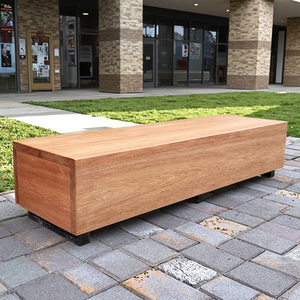
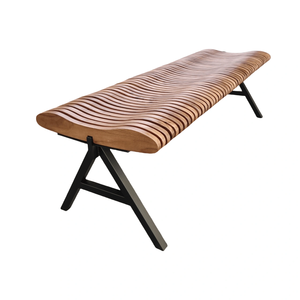
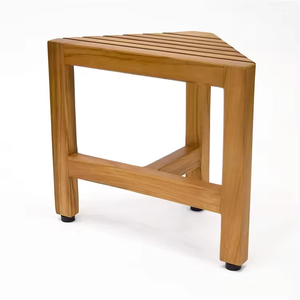
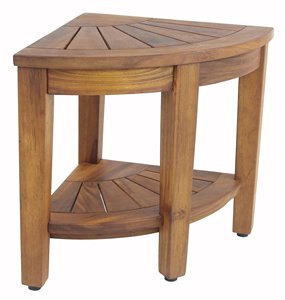
Azerbaijan's Evolving Architecture & High-End Furniture Sourcing Landscape
Azerbaijan’s urban and commercial development trajectory—focused heavily around Baku's Flame Towers corridor, White City redevelopment project, and coastal resorts along the Absheron Peninsula—has created a rigorous, sophisticated demand for high-grade solid timber furniture. Historically dependent on regional European traders or heavy oak imports, Azerbaijani interior architects, general contractors, and corporate procurement directors are shifting toward direct factory partnerships with Indonesian manufacturers.
This structural change is driven by the unique physical requirements of the South Caucasus region. Sourcing managers for luxury developments in Baku require timber that possesses high structural stability under extreme seasonal microclimate swings—ranging from dry, windy winters influenced by the Caspian Sea (Khazri winds) to intensely warm summers. Furthermore, modern architectural trends across Central Asia and the Caucasus favor lighter, organic wood tones, refined linear grains, and Scandinavian or Japandi aesthetic sensibilities. This is precisely where high-grade Indonesian Sungkai Wood (Peronema canescens) delivers unmatched technical and aesthetic advantages.
Information Gain Note for Technical Buyers in Baku
Sungkai wood (often marketed as White Teak or Indonesian Light Oak) boasts a straight grain pattern with a prominent, refined texture. Unlike European Oak, which exhibits high shrinkage coefficients under rapid microclimate shifts, kiln-dried Sungkai maintains dimensional equilibrium when properly moisture-balanced (8% to 11% MC) before export to the Caucasus region.
Material Science: Why Sungkai Wood Outperforms Conventional Hardwoods in Caucasian Climates
As a specialized Indonesian manufacturer operating a 16,000 m² facility in Cirebon, West Java (CV. Mulya Pratama Putra / MPP Furniture), we subject all export-grade timber to rigorous computer-controlled dry kiln cycles. Understanding the technical behavior of timber under regional thermal stresses is paramount for avoiding post-installation joint failure, warping, or micro-cracking in air-conditioned or central-heated spaces.
| Wood Species | Janka Hardness (N) | Volumetric Shrinkage | Grain & Aesthetics | Optimal Usage Scenarios |
|---|---|---|---|---|
| Indonesian Sungkai | approx. 6,100 N | Low-Medium (3.8%) | Light honey to pale cream, pronounced linear rays | Luxury indoor dining, bedroom, Japandi fit-outs, hotel suites |
| Plantation Teak (Jati) | approx. 4,700 - 5,000 N | Extremely Low (2.6%) | Golden brown, high natural silica & oil content | All-weather outdoor lounger, poolside resorts, marine decks |
| Indonesian Mahogany | approx. 4,000 N | Medium (4.2%) | Deep reddish-brown, fine uniform grain | Classic executive desks, dark stained indoor cabinetry |
| European Oak (Imported) | approx. 4,900 N | High (5.6%) | Coarse grain, wide color variation between batches | General residential furniture (higher moisture movement risk) |
Sungkai’s superior strength-to-weight ratio makes it the timber of choice for modern minimalist furniture framing, contract chairs, floating headboards, and modular hotel room furniture. Its light natural color allows custom polyurethane, lacquer, or wood-wax stains to hit precise architectural Pantone codes—from ultra-bleached Nordic tones to warm smoked-walnut shades—without losing the organic warmth of solid timber grain.
Our Technical & Manufacturing Superiority for B2B Importers
Working directly with an established Indonesian original equipment manufacturer (OEM) and original design manufacturer (ODM) eliminates middleman markups while granting Azerbaijani procurement officers total quality governance over the production cycle.
CE & SVLK Compliance
Full legal timber verification via Indonesia's SVLK system, enabling smooth issuing of V-Legal documents, REACH chemical compliance for lacquers, and EN 581 structural safety certification for commercial installations.
Custom Engineering (OEM/ODM)
We transform client CAD files, architectural elevation drawings, or mood boards into engineered production BOMs with precise CBM optimizations to maximize container fill rates.
Precision Kiln Drying
Computerized steam kiln drying facilities bring raw Sungkai and Teak timber down to an absolute 8%–11% moisture content range, preventing shrinking, splitting, or swelling in dry heating climates.
Direct Freight to Poti / Baku
Streamlined logistics management shipping out of Tanjung Priok (Jakarta) or Semarang, routed via Poti/Batumi ports (Georgia) or direct railway corridors straight to Baku dry ports.
Localized Application Scenarios Across Azerbaijan
Different regions and sectors in Azerbaijan present specific interior design mandates and environmental challenges. Our factory customizes furniture build specifications depending on where the items will be deployed:
1. Baku Luxury High-Rise Apartments & Penthouses
In high-density luxury residential developments such as Port Baku Towers, Crescent Bay, and Yashil Bazar residential complexes, space optimization and sleek modern visuals are essential. Our factory crafts bespoke Sungkai dining sets, low-profile bed frames, floating vanity units, and integrated shelving. Sungkai’s pale natural grain complements marble flooring, brass accents, and floor-to-ceiling glass paneling popular in contemporary Azerbaijani penthouse architecture.
2. Caspian Sea Coastal Resorts & Absheron Peninsula Villas
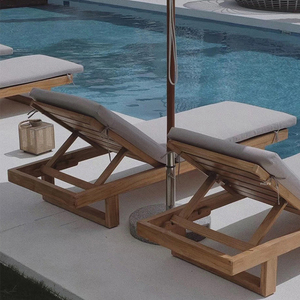
Private villas and beachside resort properties in Bilgah, Mardakan, and Nabrān require outdoor and semi-outdoor leisure seating that resists saline air and high summer humidity. For open-air pool decks, we supply Grade-A Indonesian Teak loungers and sunbeds. For covered verandas and coastal dining pavilions, we supply UV-sealed Sungkai furniture treated with marine-grade outdoor topcoats that prevent yellowing and moisture absorption.
3. Shahdag & Tufandag Alpine Ski Resorts
In the mountainous regions of Gusar (Shahdag) and Gabala (Tufandag), winter temperatures drop significantly, triggering intensive indoor space heating. Standard wood species with unstable cell structures crack under sudden humidity drops. Our pre-conditioned Sungkai and Mahogany timber products are stress-tested to endure low relative humidity indoors, providing rustic yet refined chalet furnishings, lounge chairs, and fireside seating benches.
4. Commercial Offices & Hospitality Fit-Outs
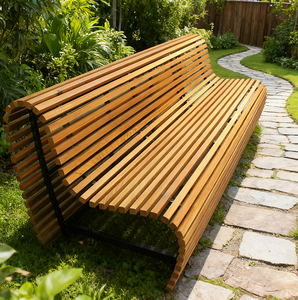
Baku’s thriving corporate sector—including oil & gas engineering headquarters, financial institutions, and boutique hotels in Icherisheher (Old City)—demands heavy-duty contract durability. We construct high-traffic reception seating, conference tables, backless waiting area benches, and restaurant dining chairs engineered with mortise-and-tenon joinery reinforced by heavy-duty epoxy adhesives.
Factory Deep-Dive: Controlled Quality from Raw Log to Sealed Container
MPP Furniture (CV. Mulya Pratama Putra) operates on a foundation of uncompromised industrial quality control. We do not operate as an intermediary trading office; every piece of furniture bearing our production tag is milled, assembled, finished, and packaged inside our 16,000 m² factory in Cirebon, West Java.
Step 1: Timber Selection & SVLK Traceability
We source only government-certified plantation timber. Every log of Sungkai, Teak, and Mahogany is tagged for 100% legal chain-of-custody verification under Indonesian forestry regulations.
Step 2: Precision Kiln Drying
Logs are sawn into dimensioned planks and placed in automated dry kilns for 21 to 30 days. Moisture meters continuously verify equilibrium before wood moves to joinery lines.
Step 3: CNC Machining & Artisan Hand-Sanding
High-precision multi-axis CNC machines guarantee exact tolerances for contract knock-down (KD) furniture, while skilled artisans hand-finish all grain curves and corner radii.
Step 4: Multi-Layer Finishing & Export Packing
Furniture receives multi-stage sanding, base stain sealing, and non-toxic polyurethane topcoats. Items are wrapped in heavy-duty 5-ply corrugated cartons with corner guards and desiccant packs.
Emerging Furniture Design & Sourcing Trends in the Caucasus
To stay competitive, Azerbaijani furniture retailers and project specifiers must align with evolving consumer preferences. Direct feedback from our commercial partners across Baku reveals three dominant market trends:
- The Rise of "Japandi" & Soft-Minimalism: Commercial interiors are moving away from dark, heavy, ornate classic carving toward clean lines, muted organic tones, and tactile wooden textures. Sungkai wood’s warm vanilla and wheat-colored grain makes it the most requested material for achieving this high-end architectural look.
- Demand for Certified Sustainability: International corporate clients, diplomatic missions, and luxury hotel chains operating in Azerbaijan now demand proof of ethical sourcing. Supplying SVLK-certified wood accompanied by comprehensive timber origin documentation is no longer optional—it is a baseline requirement.
- Flat-Pack / Knock-Down (KD) High-End Furniture: Freight optimization is critical for landlocked or trans-shipment destinations like Azerbaijan. We engineer sophisticated solid wood dining tables and bed frames with concealed German steel hardware, allowing items to ship KD flat-packed (reducing freight volume by up to 60%) while maintaining rock-solid structural integrity once assembled on site.
Frequently Asked Questions for Azerbaijan Importers & Specifiers
Partner with Indonesia’s Premier Sungkai & Teak Exporter
Whether you are developing a luxury hotel in Baku, outfitting a private villa on the Absheron Peninsula, or expanding your retail furniture catalog in Azerbaijan, our engineering team is ready to assist with quotations, CAD development, and container load planning.