Featured Commercial Solid Wood Benches for Kenya
Direct factory-engineered bench solutions built for high-traffic resort environments, urban developments, and premium residential spaces across Nairobi, Mombasa, and Naivasha.
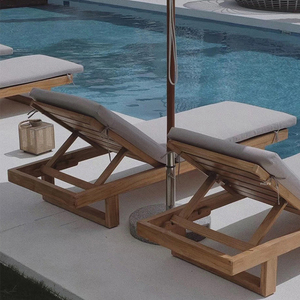
Hotel Resort Teak Sun Lounger Bench
- Grade-A Plantation Teak
- Multi-position Reclining Back
- Resort & Poolside Weatherproofing
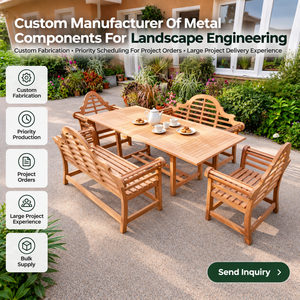
Outdoor Solid Teak Bench with Armrests
- Ergonomic Slatted Seating
- Mortise & Tenon Joinery
- High Salt-Air & UV Resistance
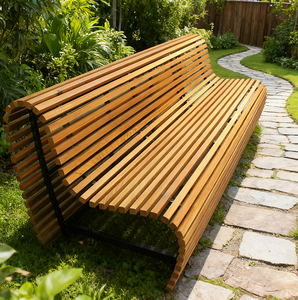
Luxury Commercial Outdoor Park Bench
- Heavy-duty Commercial Frame
- High Density Teak / Acacia
- Public Realm & Hotel Grade
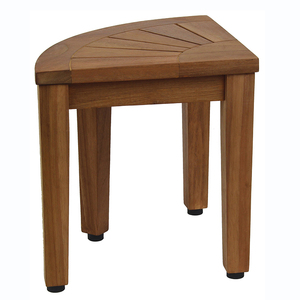
Dark Teak Japanese Style Shower Stool Bench
- Waterproof Finish for Wet Zones
- Compact Corner Seating
- Non-Slip Rubber Footing
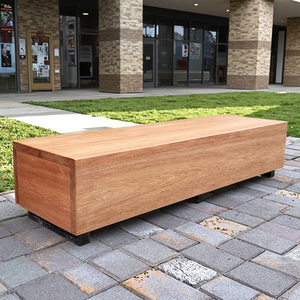
Teak Bench with Industrial Metal Frame
- Powder-coated Steel / Aluminum
- Modern Urban Architectural Aesthetic
- Vandal-Resistant Mounting Options
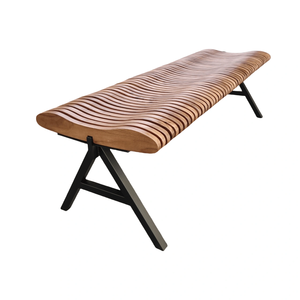
Backless Teak Wood Garden Bench
- Minimalist Dual-Sided Seating
- Kiln-Dried to 8–12% Moisture
- Ideal for Dining & Walkways
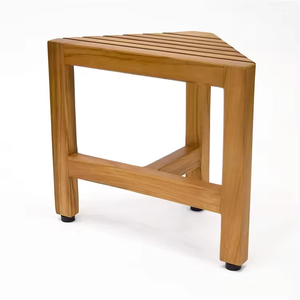
Acacia Waterproof Shower Stool Bench
- Sealant Treated for High Humidity
- Space-Saving Corner Design
- Spa & Luxury Villa Approved
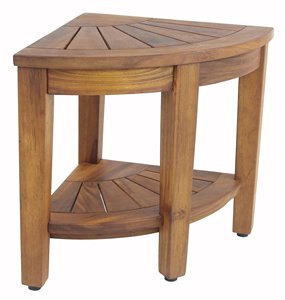
Teak Shower Bench with Storage Shelf
- Integrated Lower Storage Tier
- 304 Stainless Steel Fasteners
- Commercial Hospitality Grade
1. The Strategic Landscape of Wooden Bench Importation in Kenya
East Africa’s economic landscape is experiencing an unprecedented surge in commercial infrastructure, luxury safari tourism, and high-end residential real estate developments. At the epicentre of this boom is Kenya, serving as the commercial hub for the East African Community (EAC). From the expansive safari lodges in the Maasai Mara and Amboseli to the high-density coastal luxury resorts in Mombasa, Diani, and Malindi, the demand for premium, long-lasting outdoor furniture—specifically commercial-grade wooden benches—has increased by over 34% year-on-year.
However, procurement directors, project developers, and furniture wholesalers in Kenya face acute challenges when sourcing timber products. Kenya’s diverse microclimates present extreme environmental stress on solid wood furniture. Coastal regions feature high relative humidity (exceeding 85% RH) coupled with aggressive saline marine exposure. Conversely, high-altitude urban centers like Nairobi (1,795m altitude) and arid rift valley regions experience drastic diurnal temperature swings and low humidity, causing sub-standard timber to warp, check, split, and suffer structural joint failure within months of installation.
To succeed in the Kenyan market, suppliers must move beyond cosmetic aesthetics and deliver furniture engineered with precise technical tolerances. This white paper serves as an operational benchmark for Kenyan procurement specialists seeking top-tier Chinese wooden bench manufacturers capable of offering certified timber legality, custom OEM flexibility, and direct container logistics to the Port of Mombasa.
2. Technical Engineering Matrix: Timber Selection & Moisture Dynamics
The core longevity of any outdoor bench deployed in tropical equatorial regions relies on wood species selection, timber drying discipline, and structural joinery engineering. Below is an authoritative technical comparison matrix evaluating the primary wood species exported to Kenya:
| Technical Property | Grade-A Indonesian / Chinese Teak | Kiln-Dried Acacia Wood | Sungkai Wood | Indonesian Mahogany |
|---|---|---|---|---|
| Janka Hardness Rating | 1,070 lbf (High Impact) | 1,750 lbf (Extreme Hardness) | 1,000 lbf (Medium) | 800 lbf (Moderate) |
| Natural Oil & Silica Content | Exceptional (Rot & Insect Proof) | Moderate (Sealer Required) | Low (Indoor Recommended) | Moderate (Requires Polyurethane) |
| Equilibrium Moisture Content (EMC) Target | 8% – 10% (Automated Kiln) | 10% – 12% (Dehumidified Kiln) | 9% – 11% (Dehumidified Kiln) | 10% – 12% (Standard Kiln) |
| Ideal Kenya Application | Mombasa Coastal Resorts, Mara Lodges | Nairobi Urban Parks, Residential Patios | Indoors, Covered Verandas | Boutique Hotel Suites, Restaurants |
| Termite & Fungal Resistance | Natural Immunity (Tectoquinones) | High (Treated Finish) | Moderate (Requires Coating) | Moderate (Requires Sealing) |
2.1 Kiln Drying SOPs to Prevent Warping in East Africa
Uncontrolled wood moisture is the primary catalyst for claims in cross-border furniture trade. Our production workflow incorporates a strict 3-phase timber conditioning process inside computer-controlled convection kilns:
- Phase 1: Pre-Drying & Air Settlement: Raw timber planks are stacked with uniform stickers and air-settled under covered sheds for 21 to 30 days until free water evacuates the wood cells.
- Phase 2: Automated Computer Kiln Drying: Temperatures are gradually elevated to 65°C while controlling relative humidity inside the kiln chamber. Bound water within cell walls is removed until core Moisture Content (MC) reaches 8% to 12%.
- Phase 3: Thermal Equalization & Stress Relief: The timber undergoes a 48-hour cooling period inside sealed chambers to neutralize internal tension, eliminating the risk of checking once installed in low-humidity environments like Eldoret or Nairobi.
3. Localized Application Scenarios Across Kenya
To maximize return on investment, commercial furniture must be tailored to the specific functional demands of Kenya’s diverse commercial real estate and hospitality micro-environments.
Luxury Safari Lodges (Maasai Mara & Naivasha)
High-end tented camps require backless benches and teak sun loungers that harmonize with the natural wilderness while enduring extreme UV radiation and nocturnal temperature drops. Grade-A teak develops an attractive silver patina over time without structural degradation.
Coastal Beachfront Resorts (Mombasa & Diani)
Salt air accelerates corrosion in standard hardware. Benches specified for coastal hotels feature 304 marine-grade stainless steel hardware concealed within solid teak joinery, resisting severe salt-fog corrosion and humid coastal rain.
Urban Real Estate & Public Parks (Nairobi CBD)
Commercial rooftops, mixed-use developments in Westlands, and municipal park refurbishments demand hybrid benches—combining heavy-duty powder-coated aluminum or steel frames with thick solid wood slats to withstand high pedestrian load and prevent vandalism.
3.4 High-Humidity Bathroom & Wellness Spa Applications
With the rise of boutique spa hotels in Gigiri and luxury private villas in Karen, wet-room timber seating has become a fast-growing procurement segment. Compact Japanese-style dark teak bath stools and corner shower benches with integrated storage shelves utilize water-repellant sealers and slatted drainage paths, preventing mold accumulation in enclosed, vapor-heavy environments.
4. East African Market Growth Trends & Import Dynamics
Sourcing furniture for the Kenyan market requires an understanding of evolving consumer demands and regulatory frameworks shaping the East African Community (EAC):
4.1 Strict Green Procurement & SVLK/V-Legal Compliance
International hotel chains operating in Nairobi (such as Marriott, Radisson, and Serena Hotels) enforce rigorous ESG (Environmental, Social, and Governance) mandate metrics. Importers must supply legally verified timber documentation. Sourcing teak products backed by SVLK (Sistem Verifikasi Legalitas Kayu) certification ensures seamless compliance with international Lacey Act due diligence and local KEBS environmental audits.
4.2 Knock-Down (KD) Flat-Pack Engineering for Freight Optimization
Ocean freight rates to the Port of Mombasa make shipping fully assembled volumetric cargo inefficient. Leading Chinese manufacturers design KD (Knock-Down) bench structural systems that cut CBM (Cubic Meters) volume by up to 65%. High-precision CNC mortise-and-tenon pre-drilling enables local assembly teams in Nairobi to assemble a 3-seater commercial park bench in under 12 minutes using basic hand tools.
5. Manufacturing Capabilities: Why Partner with Our Factory
Our manufacturing facility (CV. Mulya Pratama Putra) in Cirebon, West Java, paired with robust international export management, provides direct factory pricing, absolute quality control, and scalable volume production.
16,000 m² Integrated Facility
Complete control over timber sawmill intake, forced convection kiln drying, CNC processing, hand sanding, finishing, and container packing under one roof—eliminating third-party subcontracting risks.
200+ Experienced Craftsmen
Combining automated German woodworking machinery for load-bearing joints with hand-carved finishing details executed by veteran wood artisans, guaranteeing joint tightness within 0.5mm tolerances.
Reliable Export Capacity
Consistent monthly output of up to 30 × 40HQ containers across indoor, outdoor, and craft bench categories. We manage complete export documentation including Bill of Lading, Certificate of Origin, and CoC inspection reports.
6. Frequently Asked Questions by Kenyan Buyers
Navigating cross-border furniture imports requires clear operational insights. Below are responses to common queries raised by Kenyan procurement professionals:
What is the standard shipping lead time from your factory to the Port of Mombasa?
Production lead time typically ranges from 45 to 60 days following golden sample approval and deposit confirmation. Ocean transit from main export ports (such as Ningbo/Shanghai or Indonesian ports) to the Port of Mombasa takes approximately 20 to 28 days. Importers should plan for a total lead time window of 75 to 90 days from order confirmation to warehouse receipt in Nairobi.
How do you ensure wooden benches do not crack in dry areas like Nairobi or Naivasha?
We strictly control equilibrium moisture content (EMC) using automated kiln drying down to an 8%–10% threshold. Additionally, we apply grain-penetrating teak oils or flexible exterior polyurethane sealers that allow the wood to expand and contract naturally without surface cracking or checking when exposed to seasonal dry spells in inland Kenya.
Is a Pre-Export Verification of Conformity (PVoC) required for shipping to Kenya?
Yes. The Kenya Bureau of Standards (KEBS) requires a Certificate of Conformity (CoC) issued by an authorized inspection agency (such as SGS, Intertek, or Bureau Veritas) at the port of loading. Our export department handles pre-shipment inspections, physical quality checks, and paperwork filing to ensure hassle-free customs clearance in Mombasa.
Can you manufacture customized benches based on architectural CAD drawings (OEM)?
Absolutely. Over 60% of our production volume consists of OEM and ODM custom manufacturing. Kenyan interior designers and developers can send CAD drawings, 3D renders, or dimensioned sketches. Our engineering team prepares a production Bill of Materials (BOM), calculates CBM efficiency, and produces a golden sample for client sign-off prior to mass production.
What is your Minimum Order Quantity (MOQ) requirement for commercial projects?
Our standard MOQ is one 20ft container (approx. 120–180 benches depending on KD or assembled packaging). For mixed commercial project orders—such as hotel refits combining garden benches, sun loungers, and bathroom shower stools—we support multi-SKU container consolidation to optimize your logistics spend.
Partner with a Tier-1 Wooden Bench Manufacturer
Whether you are outfitting a resort in Mombasa, developing a commercial plaza in Nairobi, or importing wholesale furniture containers, our export engineering team provides competitive factory pricing, custom design support, and certified quality compliance.