Featured Solid Wood Export Collection
Explore our export-grade handcrafted solid wood furniture and tabletop accessories engineered in Cirebon, Indonesia for demanding global buyers.
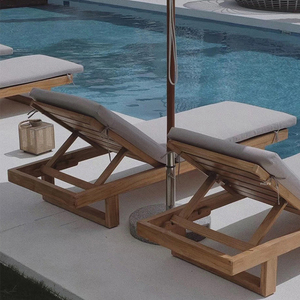
Hotel Resort Furniture Oak Garden Bed Outdoor Swimming Pool Furniture Teak Sun Lounger Bench
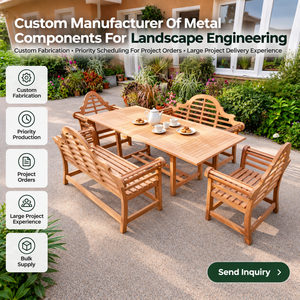
Outdoor Solid Teak Bench with Armrests-Durable Water Resistant Modern Patio Bench for Park & Villa Use
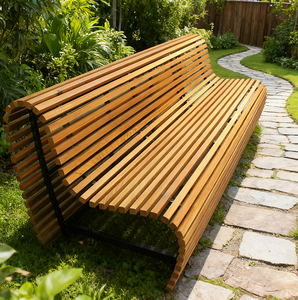
Luxury Outdoor Garden Commercial Patio Park Bench Wooden Chair
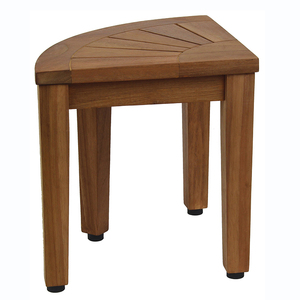
Dark Teak Japanese Style Small Stool Bamboo Bath Bench for Home Use Corner Seat for Shower or Bath
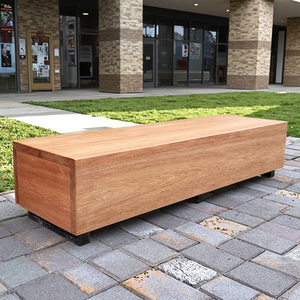
Customized Design Outdoor Patio Benches Solid Wood Teak Bench with Metal Frame Sitting Bench Garden Park
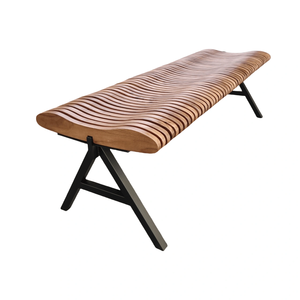
Backless Teak Wood Garden Outdoor Furniture Bench
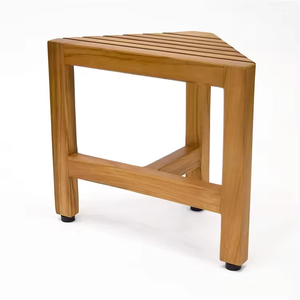
Premium Acacia Wood Foot Stool Waterproof Shower Corner Stool Solid Teak Bathroom Bench for Inside Shower
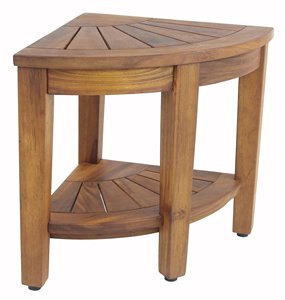
Acacia Wood Corner Teak Shower Bench with Shelf,Wooden Bathroom Shampoo Storage Shelf,Wooden Bathroom Storage Bench
1. Strategic Overview: Manufacturing Handmade Wooden Trays for Japanese B2B Procurement
The Japanese market for home decor, lifestyle accessories, and commercial hospitality tableware operates under some of the most stringent quality metrics globally. Japanese consumers and commercial procurement directors (from luxury Ryokans in Kyoto to high-end lifestyle chains in Ginza and Omotesando) demand flawless surface tactility, seamless corner joinery, zero structural warping under seasonal humidity variations, and 100% legal timber traceability under the Japanese Clean Wood Act (Act on Promotion of Use and Distribution of Legally Harvested Wood).
As a premier Indonesian woodcraft manufacturer (CV. Mulya Pratama Putra / MPP Furniture) operating out of a sprawling 16,000 m² integrated production ecosystem in Cirebon, West Java, we specialize in contract OEM/ODM manufacturing of handmade wooden decorative trays, serving boards, vanity organizer trays, and accent craftware. With over two decades of international trade history and 200+ dedicated woodcrafters, our facility bridges traditional Javanese artisan wood-carving with industrial-grade computer-controlled drying (Kiln Drying) and zero-defect quality control SOPs.
Whether you require solid plantation Teak (Tectona grandis) for water-resistant bathroom vanity trays, fine-grained Sungkai (Peronema canescens) for light-toned Japandi minimalist serving trays, or rich legal Mahogany for classic hotel hospitality accessories, our facility offers end-to-end white-label solutions directly from the source.
Core Technical Advantages for the Japanese Importer
How our Cirebon manufacturing facility addresses the unique technical and aesthetic demands of Japanese B2B buyers.
Climate-Adapted Moisture Control
Japan experiences extreme relative humidity shifts: high summer humidity (80%+) and bone-dry winter heating (under 30%). We kiln-dry timber to a strict 8%–10% Moisture Content (MC), preventing micro-cracking, joint separation, and cup warping.
Clean Wood Act & SVLK Compliance
100% of our timber is government-verified under Indonesia’s SVLK (Sistem Verifikasi Legalitas Kayu) legal certification. Every export shipment includes official V-Legal documentation for full Japanese customs clearance compliance.
Food-Safe & Non-Toxic Finishes
Trays used for tea ceremony (Chado), Kaiseki food service, or home dining are coated with natural food-grade beeswax, organic walnut oils, or Japanese FDA-compliant low-VOC matte polyurethanes that resist heat, alcohol, and grease stains.
Seamless Joinery & Ergonomic Design
Featuring precision finger joints, concealed miter joints with internal hardwood dowels, and routed recessed handles. Each edge is hand-beveled and polished up to 400-grit sandpaper for ultra-smooth tactile perfection.
Drop-Test Packaging Standards
Tailored packaging designed for direct e-commerce fulfillment or bulk retail distribution in Japan. Individual shrink wrapping with silica gel desiccants, corner edge protectors, and ISTA 3A-compliant heavy corrugated outer master cartons.
Private Labeling & OEM Customization
Full support for Japanese brand customization: precise laser logo engraving, hot-foil branding irons, custom Japanese barcode/JAN labelling, insert cards, and proprietary Pantone color staining to match seasonal catalog lines.
2. Engineering & Material Matrix: Standard Wood Trays vs. Japan-Spec MPP Handmade Trays
Many generic wood craft factories supply standard decorative trays that fail within 6 months of landing in Japan due to severe humidity shifts, joint cracking, or finish clouding. Below is a detailed technical comparison highlighting why our specialized manufacturing process delivers zero-claim reliability for Japanese importers.
| Quality Standard Metric | Generic Commodity Manufacturer | MPP Furniture (Japan-Spec Export Grade) |
|---|---|---|
| Timber Moisture Content (MC) | 14% – 18% (Air Dried or rushed Kiln Drying) | 8% – 10% Controlled Kiln Drying (Zero winter warp) |
| Wood Legality Certification | Unverified local timber supply or third-party buying | 100% SVLK / V-Legal Verified (Clean Wood Act ready) |
| Corner Joinery Method | Simple butt joints with surface nails & wood putty fill | Precision Finger Joint / Mitered Mortise & Tenon with Hidden Dowels |
| Surface Finishing Sanding | 180 – 240 Grit automated mechanical sanding | 400 Grit Hand Polished Finish (Silk-smooth tactile feel) |
| Chemical Safety / Off-Gassing | High-VOC Industrial Polyurethane (Unregulated) | Food-Contact Safe, Low-VOC NC Lacquer, Organic Oils & Beeswax |
| In-Line Quality Control | Random final carton inspection before container sealing | 5-Stage Gate QC: Timber MC -> Milling -> Joinery -> Finish -> Packing |
| Japanese Packaging Spec | Standard brown box without moisture absorbers | Individual Polybag + Silica Gel + Edge Protectors + ISTA-Certified Carton |
3. Application Scenarios & Localization Trends in the Japanese Market
Understanding the exact end-use scenario of handmade wooden decorative trays in Japanese domestic life and commercial settings is crucial for product developers and procurement managers. In Japan, decorative trays are not merely static displays; they are dynamic elements of hospitality, spatial organization, and modern architectural aesthetics.
A. Modern Japandi & Minimalist Apartment Interiors
As urbanization in metropolitan areas like Tokyo, Yokohama, and Osaka drives demand for compact living spaces, the Japandi design movement (a synthesis of Japanese functional minimalism and Scandinavian natural warmth) has made solid wood accent trays an essential home accessory. Wooden decorative trays serve as functional visual anchors on coffee tables, entryway consoles (Genkan), and kitchen islands. Trays carved from Indonesian Sungkai timber—with its light honey hue and pronounced straight grain—fit seamlessly into neutral Japandi color palettes alongside beige textiles and light oak cabinetry.
B. Ryokan Hospitality & Traditional Tea Ceremony (Chado)
Luxury Japanese inns (Ryokan) and high-end Kaiseki dining establishments require wooden serving trays that honor centuries of Omotenashi (selfless hospitality). Trays used for serving matcha, Wagashi sweets, or multi-course evening meals must possess stain resistance to hot water, sake spills, and natural oils without losing their natural organic texture. Our hand-turned solid Teak trays treated with food-grade matte sealer offer an ideal balance: the high natural oil content of Teak protects the substrate, while our precision routing provides flat, non-slip surfaces for delicate ceramic and lacquerware dishware.
C. Luxury Hotel Turn-Down & Bathroom Vanity Organization
International and domestic boutique hotel chains across Kyoto, Niseko, and Okinawa utilize custom wooden trays for organizing room amenities, guest turn-down services, and bathroom vanity items. Teak decorative trays excel in moist bathroom environments due to Teak’s natural silica and inherent water repellency. Designed with integrated brass or sleek cutout handles, these trays elevate guest perceptions while enduring daily housekeeping sanitation protocols.
4. Timber Selection Science: Teak, Sungkai, Mahogany, and Mindi
Selecting the optimal hardwood species for decorative tray manufacturing dictates landed product cost, structural weight, finish tone, and long-term durability. At our Cirebon facility, we strictly utilize legally sourced plantation timber processed in our specialized kiln-drying chambers.
1. Plantation Teak (Tectona grandis) — Premium Water-Resistant Decor
Indonesian plantation teak is globally renowned for its exceptional density, golden-brown grain, and high natural oil content. For decorative trays used in dining rooms, kitchens, and luxury bathrooms, Teak offers unmatched stability against humidity fluctuations. It resists warping, fungal decay, and surface cracking. When finished with a clear food-grade oil, Teak reveals an intricate wood grain that appeals directly to high-end Japanese buyers seeking timeless luxury.
2. Sungkai Wood (Peronema canescens) — The Premier Japandi Aesthetic Timber
Sungkai has emerged as one of the most sought-after wood species for Japanese retail buyers. Featuring a light yellow-to-cream hue with striking growth rings and cathedral grain patterns, Sungkai mimics European Ash or White Oak at a highly competitive export price point. It absorbs clear and white-wash finishes beautifully, making it the top choice for contemporary Scandinavian-Japanese fusion trays and tabletop organizers.
3. Indonesian Mahogany (Swietenia macrophylla) — Classic Warmth & Dark Tones
For traditional luxury decor, executive office organizers, and dark-toned accent trays, mahogany offers a fine, uniform grain structure free of resin pockets. Mahogany machines with extreme precision, allowing our artisans to carve intricate relief details, smooth beveled edges, and geometric rim designs. When finished with dark walnut or espresso stains, Mahogany trays deliver a sophisticated visual weight ideal for formal dining settings.
4. Mindi Wood (Melia azedarach) — Lightweight & Distinctive Grain Contrast
Mindi wood is favored for lightweight decorative trays, rustic wire-brushed trays, and painted accent lines. Its moderate density reduces shipping weight (CBM/KG ratio) while maintaining structural integrity. Mindi features a prominent ring-porous grain pattern that takes wire-brush distressing and two-tone vintage stains exceptionally well, catering to Japanese lifestyle brands focused on casual home accents.
5. End-to-End OEM/ODM Manufacturing & Quality Assurance Process
Partnering with CV. Mulya Pratama Putra ensures a transparent, standardized, and reliable contract manufacturing workflow designed to meet strict Japanese import deadlines and standard compliance.
- Design Brief & Technical CAD Blueprinting: Importers submit product sketches, 3D files, or reference samples. Our engineering team converts concepts into production-ready CAD drawings, specifying exact millimeter dimensions, tolerances, grain direction, and joining mechanics.
- Computerized Kiln Drying (MC Stabilization): Raw timber planks are stacked with precise stickers in our automated kilns, undergoing controlled temperature and humidity cycles over 21 to 30 days until core moisture content hits the 8%–10% target.
- Precision CNC Milling & Master Hand Shaping: Planks are ripped, cross-cut, and routed using CNC machinery for dimensional consistency, followed by hand-shaping, finger-jointing, or miter joinery by master craftsmen.
- Multi-Stage Hand Sanding & Finishing: Trays pass through progressively finer sanding grades (150 -> 240 -> 320 -> 400 grit). Finishes (beeswax, oil, or food-safe polyurethane) are applied in dust-controlled spray booths with forced-air curing.
- 100% Piece-by-Piece Quality Inspection: Prior to packaging, every individual tray is audited for moisture stability, surface smoothness, joint flushness, weight uniformity, and finish consistency against an approved "Golden Sample".
- Export-Ready Japanese Compliance Packaging: Products are packaged in individual polybags with desiccants, wrapped in protective foam sheeting, and packed into heavy-duty 5-ply corrugated export cartons optimized for 20GP/40HQ container loading.
Frequently Asked Questions by Japanese Buyers
Direct technical and commercial answers for procurement managers, trade buyers, and OEM directors.
How does your factory ensure compliance with the Japanese Clean Wood Act?
Why is 8%–10% Moisture Content (MC) critical for wooden trays imported into Japan?
Can you apply food-grade and heat-resistant finishes for tea and food trays?
What are your Minimum Order Quantities (MOQ) and sample lead times for OEM projects?
What private label options do you offer for Japanese retail lifestyle brands?
How do you manage sea freight moisture risks during transit from Cirebon to Japanese ports?
Partner with Indonesia’s Leading Woodcraft Export Factory
Streamline your supply chain with direct OEM/ODM contract manufacturing. Contact our export team today for technical CAD reviews, wood sample requests, and competitive container FOB/CIF quotes tailored for the Japanese market.