High-Performance Wood & Outdoor Dining Collections
Manufactured under strict SVLK legal timber protocols with specialized kiln-drying process engineered specifically for Mexico City's high-altitude tropical highland climate.
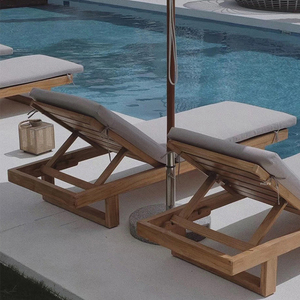
Hotel Resort Furniture Oak Garden Bed Outdoor Swimming Pool Furniture Teak Sun Lounger Bench
Use Case: Resort Pool Decks & Rooftop Dining Terraces
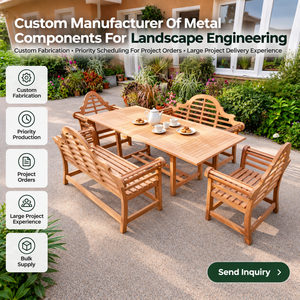
Outdoor Solid Teak Bench with Armrests-Durable Water Resistant Modern Patio Bench for Park & Villa Use
Use Case: Commercial Dining Waiting Areas & Parks
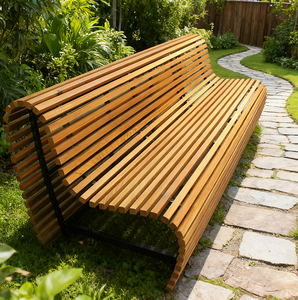
Luxury Outdoor Garden Commercial Patio Park Bench Wooden Chair
Use Case: Hotel Gardens & Restaurant Open-Air Terraces
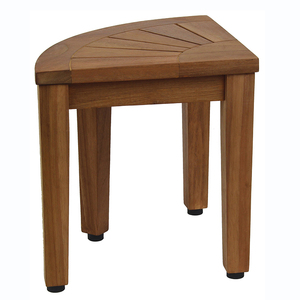
Dark Teak Japanese Style Small Stool Bamboo Bath Bench for Home Use Corner Seat for Shower or Bath
Use Case: Luxury Spa, Hotel Bathroom & Dining Auxiliary Accent
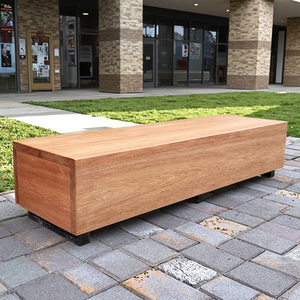
Customized Design Outdoor Patio Benches Solid Wood Teak Bench with Metal Frame Sitting Bench Garden Park
Use Case: Modern Urban Dining Venues in Polanco & Roma Norte
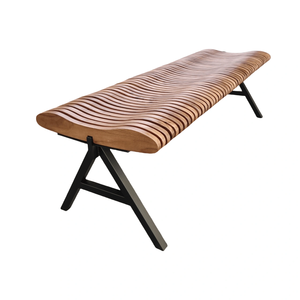
Backless Teak Wood Garden Outdoor Furniture Bench
Use Case: Commercial Dining Seating & Courtyards
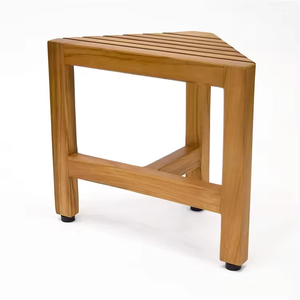
Premium Acacia Wood Foot Stool Waterproof Shower Corner Stool Solid Teak Bathroom Bench for Inside Shower
Use Case: High-Humidity Dining Lounges & Hospitality Interiors
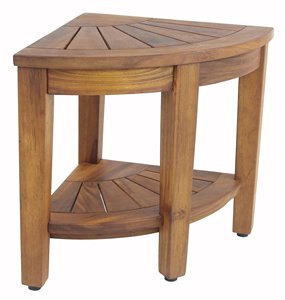
Acacia Wood Corner Teak Shower Bench with Shelf, Wooden Bathroom Storage Bench
Use Case: Modular Storage & Commercial Dining Waiting Spaces
Direct Manufacturing Scale & Verification
CV. Mulya Pratama Putra (MPP Furniture) operates a vertically integrated 16,000 m² solid wood manufacturing infrastructure in Cirebon, West Java, supplying global distributors and Mexican contract projects directly.
Why Mexico City Buyers Source Directly From Our Factory
Eliminating trading company margins while securing strict moisture-content control (8-12% EMC) optimized for Mexico City's high altitude and dry interior microclimates.
Full In-House Supply Chain Control
Unlike trading desks that outsource production to unknown sub-workshops, our sawmill intake, automated computerized kiln drying, multi-axis CNC joinery, hand sanding, lacquering, and container loading are conducted completely under one roof in Cirebon.
SVLK Timber Certification & Compliance
Every shipment comes backed by Indonesia's SVLK (Sistem Verifikasi Legalitas Kayu) certification and V-Legal documentation. Our supply chain is fully transparent, facilitating seamless import customs clearance at the Port of Manzanillo or Veracruz.
B2B OEM, ODM & Private Label Development
We work with architectural specifications, CAD drawings, rendering briefs, and physical samples. We reverse-engineer custom wood dining chairs, tables, and benches for commercial hospitality rollout programs with guaranteed design exclusivity.
Navigating Wood Furniture Performance in Mexico City (CDMX)
Architects, interior designers, and commercial buyers operating in CDMX face unique environmental and commercial challenges. Here is how specialized timber engineering guarantees structural longevity.
1. High-Altitude Atmospheric Moisture Equilibrium
Mexico City sits at an elevation of 2,240 meters above sea level, characterized by high ultraviolet index exposure and dramatic diurnal humidity shifts between the rainy season (May-October) and the dry winter season. Standard solid wood imported with improper moisture content (exceeding 14%) will experience rapid dimensional checking, joint splitting, and warping. Our factory employs specialized 21-day kiln drying schedules targeted specifically at 8%–10% EMC (Equilibrium Moisture Content) to ensure absolute dimensional stability in CDMX dining spaces.
2. Terrace & Outdoor Dining Surge in Urban Hubs
In high-density commercial corridors such as Polanco, Roma Norte, Condesa, Lomas de Chapultepec, and Santa Fe, outdoor terrace dining and open-air rooftop lounges have become prime revenue drivers. Venues require furniture that seamlessly bridges luxury indoor aesthetics with industrial weather resistance. Plantation Grade-A Teak, naturally dense in rubber and silica content, is the material of choice for CDMX terrace dining tables and perimeter benches, offering natural resistance against intense high-altitude sunlight and sudden rain showers without cracking.
3. CDMX Sourcing Hub for Riviera Maya & Pacific Resorts
Mexico City serves as the primary corporate procurement headquarter for major hospitality groups, boutique hotel operators, and architectural firms managing projects across Cancún, Tulum, Los Cabos, and Puerto Vallarta. Sourcing commercial dining collections through CDMX headquarters requires a single manufacturing partner capable of fulfilling mixed timber species (Teak for coastal outdoor; Mahogany & Sungkai for climate-controlled indoor dining) with standardized quality control across bulk container shipments.
2026 Architectural Trends Shaping Wood Dining Sourcing
Key aesthetic and functional requirements dominating commercial specification sheets across Mexican interior design firms.
Biophilic & Organic Tactility
Modern CDMX dining concepts are rejecting artificial laminates and cold metals in favor of raw, rich-grain solid wood elements. Warm natural teak tones, visible joinery, rounded organic edges, and hand-rubbed oil finishes dominate upscale restaurant specifications.
Modular & High-Density Dining Layouts
Urban real estate costs in prime Mexico City neighborhoods demand maximum seating density per square meter. Commercial dining tables engineered with space-saving trestle bases, nestable auxiliary benches, and stackable solid wood dining chairs allow venues to reconfigure dining floors effortlessly.
Heavy Commercial Durability Standards
Restaurant and hotel environments experience continuous daily turnover. Standard residential joinery fails under commercial stress. Our factory utilizes deep double-dowelled mortise & tenon joinery reinforced with stainless steel hardware and commercial polyurethane marine sealers.
Commercial Timber Specification Matrix for Importers
Selecting the appropriate Indonesian wood species based on performance, cost structure, and CDMX climate deployment.
| Timber Species | Janka Hardness Rating | Natural Weathering & Oil Content | Target EMC for CDMX | Recommended Application |
|---|---|---|---|---|
| Indonesian Teak (Tectona Grandis) | 1,070 lbf (High) | Exceptional (High natural rubber & silica) | 8% – 10% | Outdoor dining terraces, poolside loungers, luxury commercial benches |
| Indonesian Mahogany (Swietenia Macrophylla) | 800 lbf (Medium-High) | Moderate (Requires protective topcoat) | 8% – 11% | Indoor fine dining tables, upholstered dining chairs, hotel bedroom suites |
| Sungkai Wood (Peronema Canescens) | 910 lbf (Medium-High) | Moderate (Indoor species) | 9% – 11% | Japandi & Scandinavian style light-oak dining, boutique coffee shops |
| Mindi Wood (Melia Azedarach) | 750 lbf (Medium) | Moderate (Indoor species) | 9% – 12% | Distressed, painted, or stained indoor dining collections, budget-friendly retail |
| Acacia Wood (Acacia Mangium) | 1,100 lbf (Very High) | Good (Water-resistant when sealed) | 8% – 10% | Compact shower benches, spa stools, heavy-duty commercial auxiliary seating |
Frequently Asked Questions by Mexico City Procurement Teams
Everything you need to know about importing direct container shipments from our Indonesian factory to Mexico City.
Start Your Direct Factory Wood Sourcing Program Today
Whether you are outfitting a commercial dining venue in Polanco, stocking a retail brand in Mexico City, or managing a resort project in coastal Mexico, partner directly with Indonesia's premier SVLK-certified solid wood manufacturer.